How to Choose a Building Materials Supplier in the GCC That Won’t Let Your Project Down

Laminate and veneer are two of the most commonly specified surface materials in interior design and construction… and they’re often confused for one another. They can look similar, but they behave very differently.
The decision usually comes down to one thing: what does this surface actually need to do?
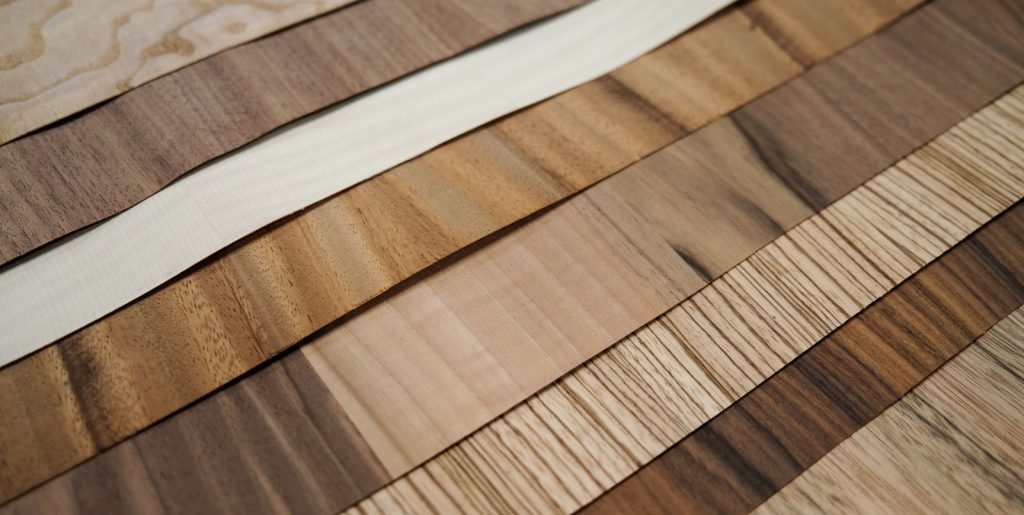
Wood veneer is a thin layer of real timber bonded to a substrate like MDF or plywood. It gives you the warmth, grain and character of solid wood, but with far greater flexibility across larger surfaces.
Because it comes from real timber, every sheet of veneer is slightly different — variations in tone and grain that add depth and authenticity to a space. Natural oak veneer, for example, is a go-to for high-end residential and hospitality projects where materiality matters.
Veneer also comes in engineered and dyed varieties, offering more consistency or colour control when the project calls for it. For a deeper breakdown, see our guide to the different types of wooden veneers.

Veneer works best when:
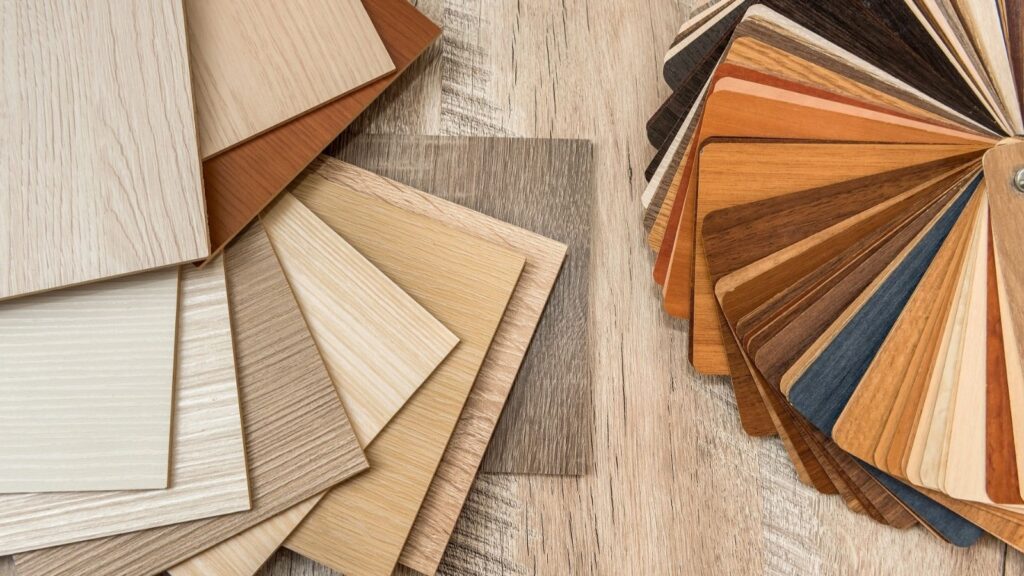
Laminate is a manufactured surface material made by pressing decorative paper and resin layers together under high heat and pressure. It’s built for durability, consistency and low maintenance — not to replicate the feel of real wood, but to perform reliably wherever it’s used.
High-pressure laminate (HPL) — the tougher of the two, designed for commercial spaces and high-traffic areas. Highly resistant to scratches, heat and moisture.

Melamine-faced boards — a lighter, cost-effective option widely used in wardrobes, cabinetry and everyday joinery across residential and commercial builds.

Both are widely used by building material suppliers across the UAE, particularly in large-scale developments where consistency and durability are essential.
Laminate works best when:

Here’s the thing: choosing between laminate and veneer is rarely an either/or decision. Most well-executed projects use both, intentionally.
Veneer tends to appear in the spaces where visual impact matters most: feature walls, bespoke joinery, reception areas, statement furniture. Laminate takes over in the functional zones: kitchens, storage, high-traffic corridors, areas that need to look good and hold up over time.
Getting the balance right and making sure both materials align in finish and colour is where the real craft lies.
As one of the construction material suppliers in Dubai, Gulf 17 supplies a full range of building materials including wood veneers, high-pressure laminates, melamine boards and PVC finishes — all designed to work together across a project.
If you’re unsure which direction to take, we’re happy to review your requirements and help you make the right call from the outset.
For enquiries about building materials in the UAE, including decorative papers, laminate sheets, and wood veneers, specifications, and project support, reach out to our team. We’d be happy to assist with inquiries and questions.
GULF17
Typically replies within minutes
Any questions related to Laminate vs Veneer: What’s the Right Choice for Your Project??
WhatsApp Us
Online | Privacy policy
WhatsApp us