How to Choose a Building Materials Supplier in the GCC That Won’t Let Your Project Down
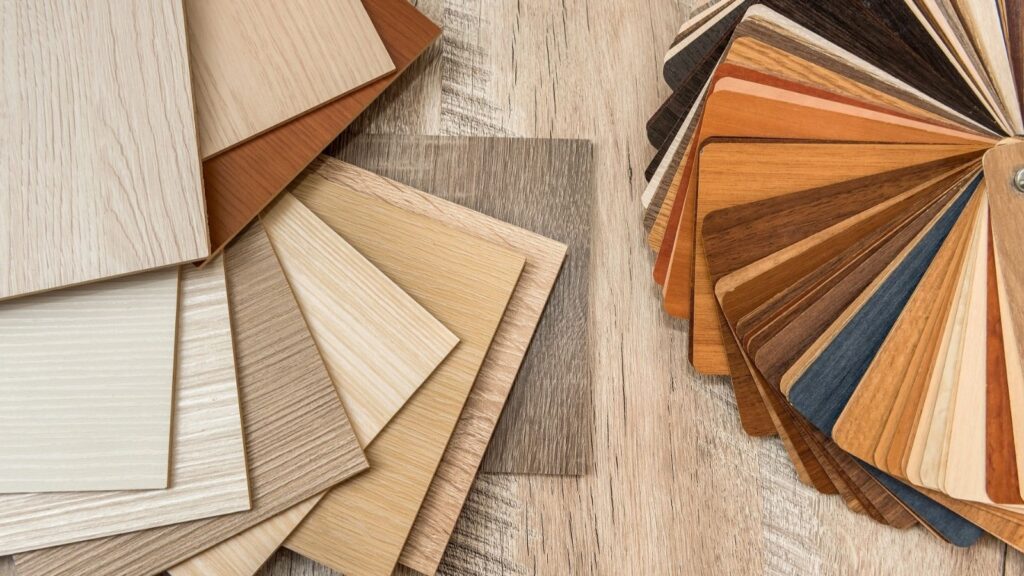
You have spent weeks on a brief. The client has signed off on the finish. The joinery goes in. And then, under site lighting, the edge of the cabinet does not quite match the door face. It’s not dramatic enough to ruin the overall look and feel of the space, but it’s noticeable enough for the detail-oriented person.
This is one of the most common and most avoidable problems in fit-out and joinery. Colour consistency across materials is something we think about before anything gets to site. Here is why it matters and how we approach it.
A single piece of joinery involves multiple elements: the board, the edge, the door face, the wrapped surface. When those elements come from different suppliers, even the same colour code can read differently depending on the material and how it was finished.
Most suppliers specialize in one product. Laminate suppliers do laminate. Melamine board suppliers do melamine. All these products are supplied entirely differently with differences in manufacturing processes, base materials and in differing factories. It is just how the industry is set up and it’s why it’s hard to find a supplier that can offer consistency across materials.
Colour discrepancies rarely show up until the very end. If you make it past snagging without catching them, you will almost certainly notice them at handover and by then, fixing it is a much bigger conversation than it should be.
When a unit is installed — whether it is a closet, a door or a kitchen — the boards are in, the edging is glued and everything is fitted. A colour mismatch at that stage means stripping out entire elements, reordering materials and losing time on a project that was supposed to be finished. It is expensive, disruptive and completely avoidable when the right sourcing decisions are made before anything gets to site.
Think of it this way. You are building a wardrobe. The main body of that wardrobe is a melamine board, the edges of that board need to be trimmed with PVC edge banding, the door face might be a laminate sheet and any wrapped surfaces use a PVC roll. That’s four different materials, all needing to look like one cohesive finish when the wardrobe is standing in a room.
The industry standard is for each supplier to specialize in one product. One factory, one material, one production process. So when you are sourcing all four materials for the same project, you are dealing with four different suppliers, each with their own interpretation of what that colour looks like on their specific material. You order them all in the same shade, but once they arrive on site, the edge reads slightly warmer than the board under the light.
This is where we started when we built our range. We asked ourselves how to make those four materials, which are typically produced entirely differently and in entirely different factories, come out identical. The answer was to go back to the very beginning of the production process. The decorative paper. The top layer that gives every material its colour and finish. We design that paper ourselves and supply it to four different factories, each producing a different material from the same source. That is how we have built over 200 colour references that match identically across every surface.
Colour consistency is not something you can fix at the end. It is a decision made at the spec stage, before materials are ordered and before anything arrives on site.
With over 200 colour references produced identically across melamine wood, high pressure laminate, PVC edge banding and PVC roll, guessing stops being an option with us. All you need to do is reach out before the brief is locked.
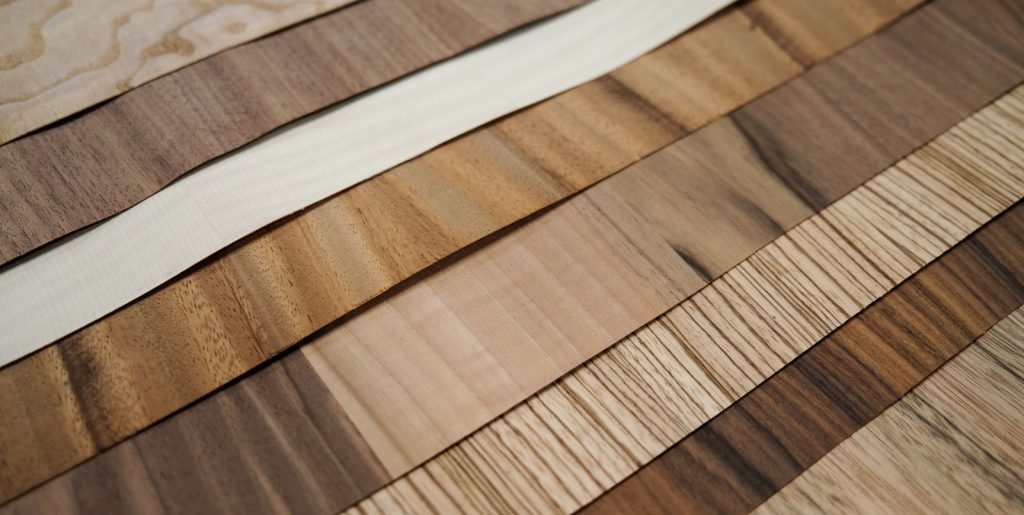
For enquiries about building materials in the UAE, including decorative papers, laminate sheets, and wood veneers, specifications, and project support, reach out to our team. We’d be happy to assist with inquiries and questions.
GULF17
Typically replies within minutes
Any questions related to How to Get Melamine Board, Edge Banding and Laminate to Match Perfectly?
WhatsApp Us
Online | Privacy policy
WhatsApp us